
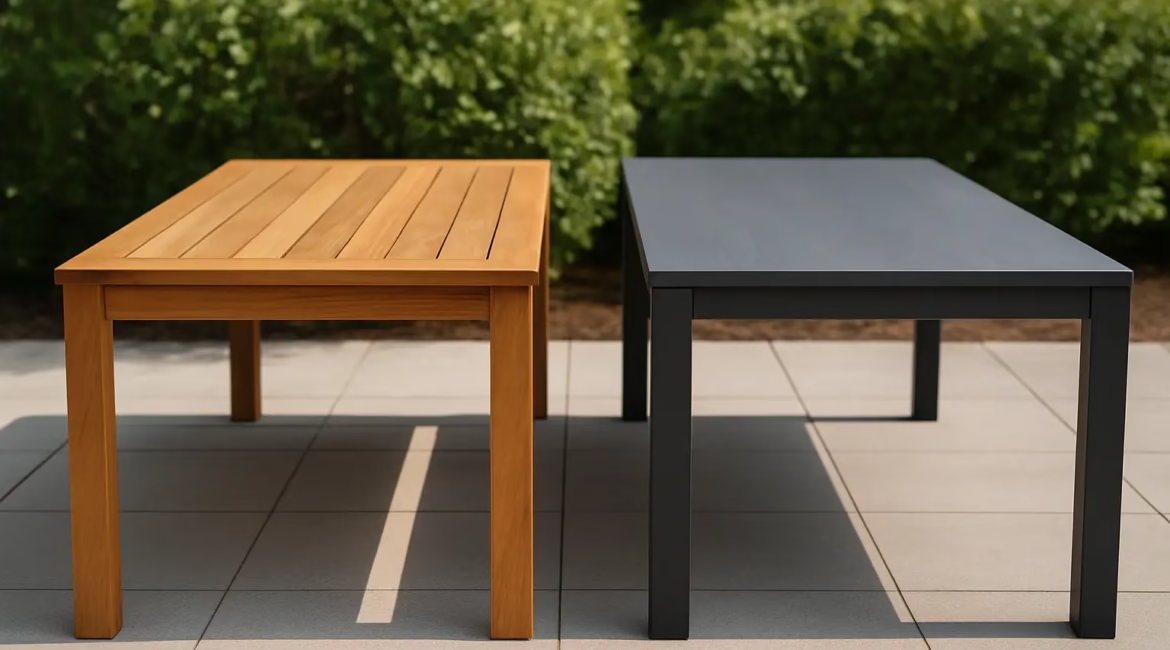
Choosing the right outdoor furniture for a hotel, resort, or large hospitality project is one of the most consequential procurement decisions a designer or property owner can make. Get it right, and your poolside, terrace, or garden becomes a signature experience for guests. Get it wrong, and you’re replacing furniture every two years.
Two materials dominate the hospitality-grade outdoor furniture market: teak wood and powder-coated aluminium. Both are premium choices, but they suit different environments, budgets, and aesthetic visions.
At PNZ International, we manufacture in both materials and work with hotels, resorts, and designers across Malaysia and internationally. Here is our honest comparison.
Why Material Choice Matters in Hospitality
Hospitality furniture endures conditions that residential furniture simply does not — daily exposure to UV, salt air, humidity, poolside chemicals, heavy daily use, and frequent cleaning. A sun lounger that lasts 10 years at a private villa may need replacing in 3 years at a busy beach resort if the wrong material was specified.
This is why the material conversation must happen before talking about design, colour, or price.
Teak Wood: The Classic Choice
What Makes Teak Special
Teak (Tectona grandis) is the gold standard for outdoor furniture for a reason. It is naturally dense, contains its own oils, and is naturally resistant to rot, insects, and moisture — without any chemical treatment. Properly maintained teak furniture can last 20 to 30 years even in tropical climates.
The Aesthetic of Teak
Freshly finished teak has a warm, honey-golden tone. Left untreated outdoors, it weathers to a distinguished silver-grey patina — a look many luxury resort designers actively embrace. It photographs beautifully and communicates natural luxury in a way no synthetic material can replicate.
Maintenance Considerations
Teak is low maintenance, not zero maintenance. Annual oiling preserves the golden colour. If you prefer the silver patina, simply leave it to weather naturally. Occasional cleaning with a teak cleaner removes surface grime and mildew.
Best For
- Luxury beach resorts, jungle lodges, and heritage properties
- Environments where natural aesthetics are a design priority
- Projects with a long-term investment horizon
- Clients who appreciate craftsmanship and provenance
Powder-Coated Aluminium: The Modern Workhorse
Why Aluminium Has Become the Standard
Powder-coated aluminium has overtaken wrought iron and even stainless steel as the most practical choice for high-volume hospitality settings. It is lightweight, completely rust-proof, available in virtually unlimited colours, and requires almost no maintenance beyond hosing down.
Design Flexibility
Unlike wood, aluminium can be extruded, bent, and welded into forms that would be structurally impossible in timber. This enables clean contemporary lines, ultra-slim profiles, and geometric designs that define modern hotel aesthetics. At PNZ International, our aluminium collections are designed in-house and can be custom powder-coated to match any brand palette.
Durability in Aggressive Environments
For beachfront or poolside settings where salt air and chlorine are constant factors, marine-grade powder-coated aluminium is actually more durable than teak over the short to medium term. It will not fade, crack, or corrode, and the coating is UV-resistant for 10 to 15 years with normal use.
Best For
- Contemporary hotels, urban rooftop bars, and F&B outlets
- High-traffic pool decks and beachfront areas
- Projects with strict colour specifications or brand guidelines
- Procurement teams prioritising low maintenance and fast turnaround
Head-to-Head Comparison
Durability: Both materials are excellent. Teak excels over decades; aluminium is virtually maintenance-free for 10 to 15 years. Cost: Solid teak commands a higher price point. Aluminium offers more options at mid-range price points. Weight: Aluminium is significantly lighter — important for stacking, storage, and rearranging layouts. Aesthetics: Teak is warm and natural; aluminium is modern and versatile. Sustainability: PNZ International sources from sustainable, responsibly managed plantations. Recycled aluminium is also an environmentally sound choice.
Can You Mix Both Materials?
Absolutely — and many of our best hospitality projects do exactly this. A common approach is teak dining tables paired with powder-coated aluminium chairs, or aluminium sun lounger frames with teak detailing on armrests. The warmth of wood against the precision of aluminium creates a sophisticated contrast that reads as considered luxury.
Our Recommendation
For boutique luxury resorts and heritage properties: specify teak for statement pieces — dining sets, daybeds, and lounge chairs in feature zones. For high-volume pool decks, rooftops, and F&B terraces: powder-coated aluminium delivers the best value and lowest total cost of ownership.
The best hospitality projects use both, each material deployed where it performs best.
PNZ International manufactures premium teak and aluminium outdoor furniture for hotels, resorts, and hospitality projects across Malaysia and internationally. Contact us to discuss your next project or request our product catalogue.
