
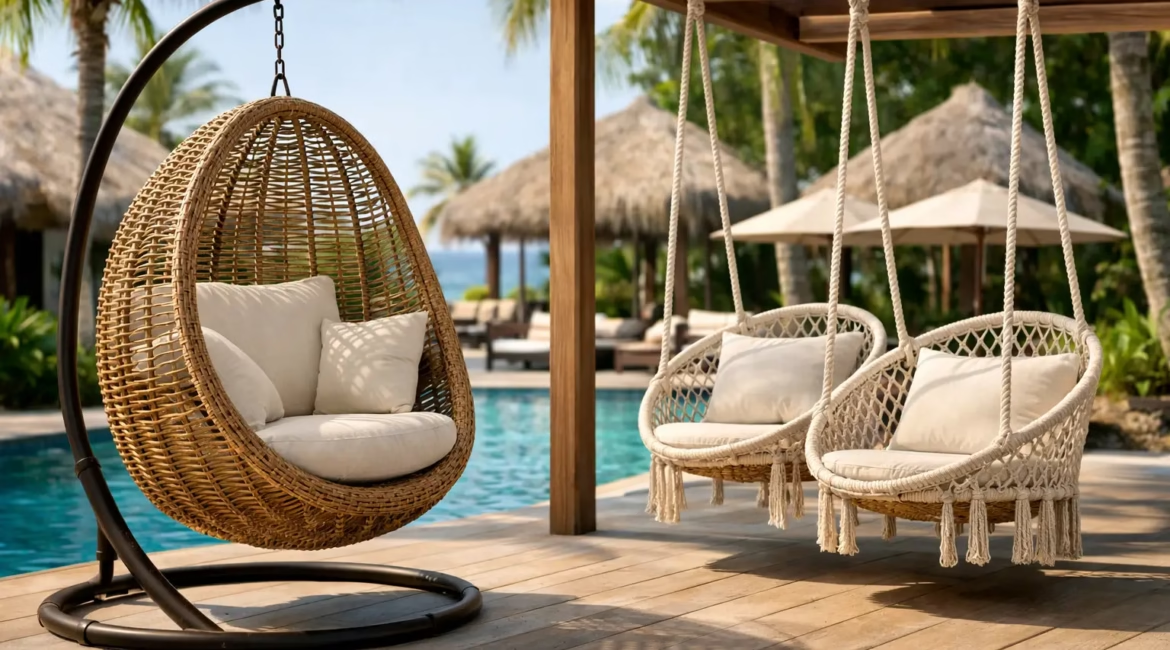
A swing chair can do two jobs at once on a resort property. It can create a high-visibility design moment that guests photograph, and it can add usable lounge seating in places where a standard chair feels ordinary. When it comes to choosing swing chairs for resort projects, that sounds simple until the first round of specification review starts. Then the real questions show up – wind exposure, corrosion risk, suspension hardware, finish retention, weight capacity, replacement parts, and whether the piece still looks right six months into daily guest use.
For resort buyers, designers, and project teams, that is the right way to approach the category. Contract outdoor swing chairs for resorts are not novelty pieces. They are performance furniture, and they need to be specified with the same discipline as pool loungers, dining sets, and shaded daybeds.
What makes a swing chair contract-grade
Residential swing chairs are built to sell a look. Contract models need to hold that look under repeat use, aggressive cleaning cycles, and climate stress. The difference is rarely one feature. It is the full construction method.
Start with the frame. In resort environments, powder-coated aluminum is often the practical base because it gives you corrosion resistance with manageable weight. Steel can work in some covered applications, but in coastal or high-humidity settings it usually creates more maintenance pressure unless the coating system and fabrication quality are exceptional. If the swing chair includes a woven shell, the resin quality matters just as much as the frame. Low-grade weave may look acceptable at handover and fade, crack, or loosen quickly under UV and heat.
Suspension is where many projects either get serious or get exposed. Chains, ropes, springs, and anchor connections all need a commercial logic behind them. The hardware should be selected for outdoor exposure and repeated loading, not just appearance. On a resort deck, a beautiful basket chair loses value fast if the hanging points squeak, corrode, or require frequent adjustment.
The cushion package also needs a contract lens. Quick-dry foam, water-draining construction, UV-stable fabrics, and removable covers all support longer service life. Thick, soft cushions are attractive in presentations, but if they retain moisture or lose shape early, operations teams will not consider the product a success.
Where contract outdoor swing chairs for resorts work best
Not every resort zone benefits from motion seating. The strongest placements are the ones where guests already expect a slower pace and longer dwell time.
Poolside cabana zones are an obvious fit, especially when swing chairs help break up rows of static loungers. They can also work well in beach club terraces, spa gardens, lobby courtyards, rooftop lounges, and private villa patios. In each case, the product should match the use pattern of the space. A quiet spa corner may support a more enveloping suspended chair with soft cushioning. A family-oriented pool deck may need a freestanding swing with easier ingress and egress and firmer seat support.
There is also a branding value to placement. Resorts often want one or two visual anchors that help shape guest photography and social sharing. Swing chairs can do that effectively, but only when they are integrated into the broader outdoor furniture plan. If they feel like isolated props, they date quickly. If they share finishes, weave patterns, and cushion colors with the surrounding lounge collection, they read as part of a designed environment.
The specification decisions that matter most
The first decision is suspended versus freestanding. A suspended swing chair can create a lighter, more architectural look, but it depends on structural support, site coordination, and clean installation details. That adds complexity during design development and often during post-install service. Freestanding models are easier to deploy, relocate, and replace, which can be a major advantage for phased resort projects or properties that refresh layouts seasonally.
The second decision is occupancy. Single-seat swing chairs are easier to place and usually produce a stronger sculptural effect. Double swings can add value in premium suites, couples’ zones, or villa terraces, but they require tighter control of dimensions, center of gravity, and load rating. More capacity is not automatically better if it creates awkward circulation or difficult maintenance access.
The third decision is exposure level. Fully exposed beachfront installations demand a different specification standard than covered courtyards or semi-shaded terraces. In high-salt environments, every material choice gets tested faster. That includes not just the frame and hanging hardware, but also zippers, fasteners, glides, and internal reinforcement components that are easy to overlook in a sample review.
Design matters, but maintenance decides the lifecycle
Resort teams often agree on silhouette and finish early. The harder part is aligning the product with housekeeping, engineering, and operations. A swing chair with too many crevices, exposed hardware points, or oversized loose cushions may photograph well and still become a maintenance burden.
This is where practical detailing matters. Removable, washable covers help. Replaceable cushions help more. Standardized components across multiple outdoor categories can reduce spare-parts complexity. Even simple decisions such as darker seat fabrics in high-use public areas can protect the visual standard between deep cleans.
There is always a trade-off between softness and durability. Ultra-plush cushioning creates immediate comfort, but in exposed resort settings it often demands more drying time and more frequent refresh. Firmer, better-draining cushion construction may feel less luxurious in a showroom and perform better over the full operating season. For most commercial projects, that is the smarter decision.
Layout planning for guest flow and safety
Swing chairs attract people, which means they also affect circulation more than fixed seating. The movement envelope has to be considered during layout, especially in walkways, pool edges, and F&B-adjacent spaces. A chair that swings into a service route is not a small design issue. It becomes a daily operational problem.
Clearance should be reviewed not only around the seat but also above and behind it. That includes nearby planters, side tables, railing lines, and lighting fixtures. The goal is to preserve the experience of motion without creating pinch points or supervision issues.
Accessibility also deserves a realistic discussion. Swing seating is not universal seating. For that reason, it should complement, not replace, standard lounge options in any shared public zone. The strongest resort layouts use swing chairs as featured pieces within a broader seating mix, so the design adds variety without limiting usability.
Why procurement teams should ask about project support
A swing chair is a relatively small product category, but it creates outsized coordination issues if the supplier only ships furniture and leaves the project team to solve the rest. Resort buyers benefit from a partner that can support specification, approvals, finish selection, and delivery planning as one process.
That means reviewing material swatches before sign-off, confirming dimensions against site drawings, and checking mock-up or sample units where needed. It also means understanding lead times honestly. Specialty outdoor pieces often require more finish coordination and packaging care than standard seating. If the supplier does not control production well, a decorative accent product can hold up an entire zone handover.
For that reason, vertical integration matters. When design support, manufacturing oversight, and logistics coordination are managed in one system, there is less room for specification drift. PNZ Space Global approaches resort furnishing this way, supporting buyers with design consultation, 3D drawings, mock-up approvals, and project fulfillment aligned to contract timelines.
How to evaluate a supplier before you specify
Ask direct questions. What is the frame material and coating system? What are the tested load limits? Are replacement cushions and hardware available? Can finishes be matched across the wider outdoor collection? What is the plan for packaging, delivery sequencing, and installation coordination?
The quality of the answers will usually tell you more than the brochure. Strong suppliers understand that hospitality buyers are not purchasing an isolated chair. They are managing risk across budget, schedule, brand standards, and guest experience.
It also helps to look beyond the swing chair itself. If the supplier can furnish lounge, dining, poolside, shade, and accessory categories under one roof, procurement becomes cleaner. Material consistency improves, freight gets easier to manage, and the project team spends less time reconciling multiple vendors across one outdoor environment.
The best contract outdoor swing chairs for resorts do not win on novelty. They win because they hold their shape, color, comfort, and finish in real operating conditions while supporting the visual identity of the property. If a product can do that, and the supplier can back it with dependable production and delivery, the chair stops being an accent and starts becoming an asset.
When you are specifying for a resort, that is the standard worth holding.
